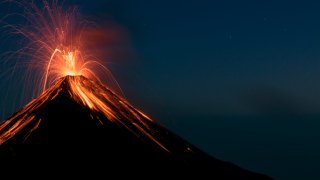
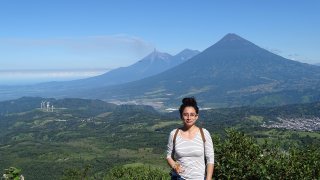
Antigua Guatemala is a colonial city in the central highlands, 1,545 m above sea level, ringed by three volcanoes: Agua, Fuego and Acatenango. Founded in 1543, it was the capital of the Spanish Captaincy General of Guatemala for 230 years, until the 1773 earthquakes forced the capital to move. Its grid of cobbled streets, Baroque churches and ruined convents earned it UNESCO World Heritage status in 1979. Today about 60,000 people live here, and the city has become Guatemala’s hub for specialty coffee, Spanish schools and remote work. It sits 45 minutes from the airport, and most travellers stay two to four nights.


Why Antigua feels different
Antigua is walkable in a way few Latin American cities are. The colonial core is a flat grid of about 30 blocks, low-rise by law and by seismic necessity, so nothing blocks the view of the volcanoes at the end of each street. You cross the whole centre on foot in twenty minutes.
The altitude keeps the climate mild all year, in the low 20s°C by day. There is no beach and no nightlife strip; the appeal is the texture of the place, ochre and lime-washed facades, wooden doors, interior courtyards, and the cone of Agua closing the southern view. It is also small enough that you keep passing the same corners, which is why so many travellers who plan two nights end up staying a week.
A brief history of Antigua Guatemala
Spanish settlers founded the city on 10 March 1543 as Santiago de los Caballeros de Guatemala, in the Panchoy valley, after mudslides destroyed their earlier capital at Ciudad Vieja. For the next 230 years it governed the Captaincy General of Guatemala, a territory that stretched from Chiapas to Costa Rica.
Wealth from indigo and cochineal paid for churches, monasteries and a university, built in the earthquake-scarred style now called Baroque antigüeño: thick walls, low towers, deep-set ornament designed to survive tremors. The city was one of the largest in the Spanish Americas.
The Santa Marta earthquakes of 1773 ended that. The damage was severe enough that the Crown ordered the capital moved, and in 1776 the government relocated to the new Guatemala City, 45 km east. Santiago was largely abandoned and came to be known simply as la Antigua Guatemala, the old Guatemala. Depopulation is what preserved it: with no reason to demolish and rebuild, the colonial layout survived intact. UNESCO inscribed it as a World Heritage Site in 1979.


Reading the grid: Antigua’s neighbourhoods
Antigua uses a numbered grid, but locals navigate by landmarks. A few reference points make the centre legible:
- Parque Central: the main square, framed by the Cathedral, the former Palace of the Captains General and the city hall. The city’s centre of gravity, day and night.
- Calle del Arco (5a Avenida Norte): the postcard street, running from Parque Central under the yellow Santa Catalina Arch toward La Merced church, with Agua volcano framed behind it.
- La Merced end (north): around the Merced church, quieter, with small guesthouses and coffee shops.
- San Sebastián and the market side (west): the working city, with the municipal market and the bus terminal, louder and cheaper.
- The surrounding villages: Jocotenango and San Felipe de Jesús to the north, Ciudad Vieja and San Juan del Obispo on the Agua slopes to the south, each a short tuk-tuk ride out for coffee farms, craft workshops and quieter lodging.
What to see in Antigua
Antigua rewards slow wandering, but a handful of sites anchor a first visit. Many churches stand as roofless ruins, left as the 1773 earthquakes found them, which is part of what makes them worth entering.
| Site | What it is | Worth it for |
|---|---|---|
| Santa Catalina Arch | 1690s convent passage over Calle del Arco | The classic volcano-framed view; go at dawn |
| Parque Central & Cathedral | Main square and the ruined San José cathedral | People-watching, then the nave ruins behind |
| La Merced | Yellow Baroque church, still in use | The most complete facade in the city |
| Las Capuchinas | Convent ruins with a circular tower of cells | Best-preserved cloister, quiet |
| Santo Domingo | Monastery turned hotel and museum complex | Colonial art, crypts, city views |
| Cerro de la Cruz | Hilltop viewpoint north of the centre | The full grid with Agua behind, best light late afternoon |
For the volcanoes that frame every view, including the Acatenango and Fuego trek that starts near here, see our overview of the volcanoes of Guatemala.
Local tips: enjoying Antigua like a resident
A few habits separate a rushed visit from a good one:
- Walk the centre early. Before 8 a.m. the light is clearest, the volcanoes are cloud-free and Calle del Arco is empty. Clouds build on Agua by early afternoon.
- Wear real shoes. The cobblestones (adoquines) are uneven and ankle-turning; leave the smooth soles behind.
- Eat where the city eats. The Mercado Municipal beside the bus terminal has comedor stalls at a fraction of the tourist-street prices. The artisan market next door sells textiles from across the highlands.
- Use tuk-tuks for the edges. They are cheap and reach Cerro de la Cruz, Jocotenango and the nearer coffee farms; the flat centre is faster on foot.
- Take a rooftop for sunset. Antigua’s low skyline means the terraces catch Agua, Fuego and Acatenango together, often with Fuego venting.
- Time a day trip to the markets. Chichicastenango (Thursday, Sunday) and Lake Atitlán are both within reach for a day.
The new Antigua: coffee, rooftops and remote work
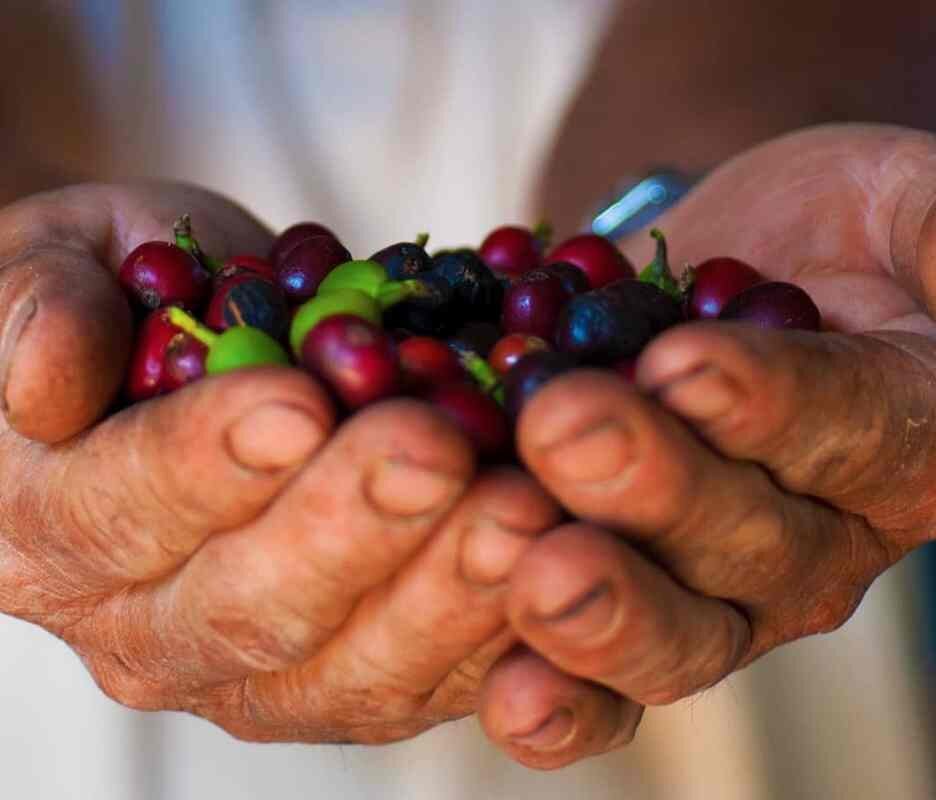
Antigua has become the base of Guatemala’s specialty-coffee culture. The city sits inside one of the country’s named coffee origins, on volcanic soil, and third-wave cafés along the central streets now roast and pour single-origin beans grown on the slopes you can see from the table. Several surrounding farms run tastings and tours; see our piece on Guatemalan coffee.
The same walkability and climate that draw travellers have made Antigua a remote-work hub. Coworking spaces and café wifi fill on weekday mornings, and the city has long been one of Latin America’s centres for Spanish immersion, with dozens of one-on-one language schools. Boutique hotels have moved into restored convents and colonial houses, and rooftop bars have multiplied for the volcano views.
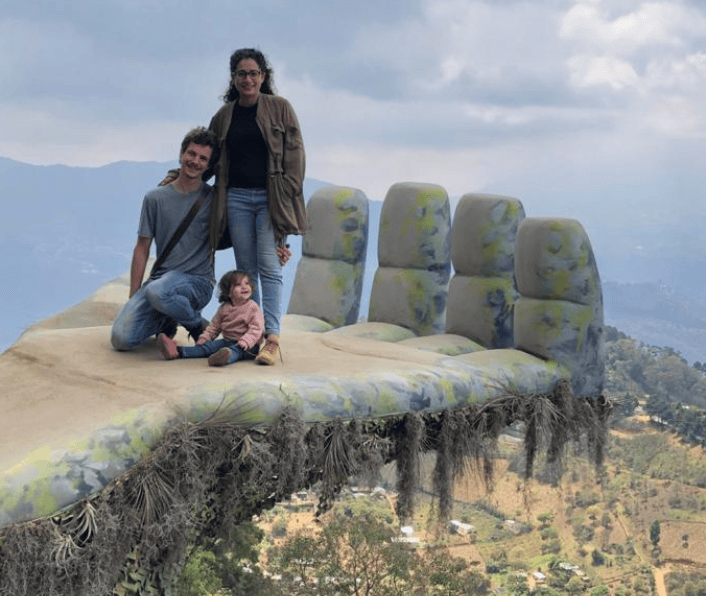
Craft tourism has grown alongside it: chocolate workshops, jade carving, textile cooperatives and, just north of town, the Hobbitenango hillside eco-park with its valley viewpoints. The mix of colonial fabric and a young, international daytime crowd is what gives Antigua its current texture.

Semana Santa: alfombras and processions
Holy Week is Antigua’s largest event and one of the most elaborate in the Americas. In the days before Easter, residents cover the cobblestones with alfombras, carpets made of dyed sawdust, flowers and pine needles, laid out overnight in front of their houses. Processions carrying heavy wooden andas (floats) then walk over them, destroying each carpet as it passes.
The city fills well beyond capacity that week, and hotels book months ahead. If you want Antigua quiet, avoid the week before Easter; if you want the spectacle, plan far in advance. The tradition runs through Lent, with smaller processions on the Sundays leading up to it. See our overview of Guatemalan traditions and celebrations.
When to go and how long to stay
The dry season, November to April, brings the clearest volcano views and the most reliable weather. May to October is greener and quieter, with afternoon rain. The one date to plan around is Semana Santa, when the city is at its fullest.
| Period | Weather | Notes |
|---|---|---|
| November to April | Dry, clear, mild days | Best volcano views; high season, busiest in December |
| May to June | First rains, green | Afternoon showers, fewer visitors |
| July to October | Rainy season | Heavier afternoon rain, lowest prices |
| Semana Santa (Mar/Apr) | Variable | Processions and alfombras; book months ahead |
Two nights cover the centre and Cerro de la Cruz. Three to four nights let you add a coffee farm, a volcano hike and a day trip to Lake Atitlán or Chichicastenango without rushing.
How to get to Antigua
Antigua is the closest highland destination to the international airport, which is why most trips start here.
| From | Distance | Time | Notes |
|---|---|---|---|
| La Aurora airport (GUA) | 40 km | 45 min to 1 h 15 | Private transfer or shuttle; traffic-dependent |
| Guatemala City | 45 km | 1 h | Avoid weekday rush hours |
| Lake Atitlán (Panajachel) | 110 km | 2 h 30 to 3 h | Tourist shuttle or private transfer |
| Chichicastenango | 95 km | 2 h 30 | Combine on Thursday or Sunday market days |
Antigua pairs with the rest of the highlands. It sits within reach of Lake Atitlán and the western highlands, and most itineraries combine them. See all our regions of Guatemala.
Build your Guatemala and Antigua trip with a local agency based in the city

Adventure tour: a Journey Down Volcano Road in Guatemala

Nature and Cultural tour from Antigua to Mayan site Tikal

Panorama of Guatemala : must-see tour in 2 weeks

Volcano Tour in Guatemala

Wonders of Guatemala Tour
Is Antigua Guatemala worth visiting?
Yes. It is one of the best-preserved Spanish colonial cities in the Americas, walkable, ringed by volcanoes and 45 minutes from the airport. Most travellers stay two to four nights and use it as a base for the highlands.
Why is Antigua no longer the capital of Guatemala?
The Santa Marta earthquakes of 1773 caused severe damage, and in 1776 the Spanish Crown moved the capital 45 km east to the new Guatemala City. The abandoned city became known as la Antigua, the old Guatemala.
Which volcanoes surround Antigua?
Three: Agua (3,766 m) to the south, and the twin cones of Fuego (3,763 m) and Acatenango (3,976 m) to the south-west. Fuego is active and often visible venting from Antigua’s rooftops.
Is Antigua Guatemala safe?
The colonial centre is calm and used to visitors, and the city is walkable by day and evening. Apply normal precautions, watch belongings in crowds, and take a guide for volcano hikes and the Cerro de la Cruz path early or with others.
How many days do you need in Antigua?
Two nights for the centre and Cerro de la Cruz; three to four to add a coffee farm, a volcano hike and a day trip to Lake Atitlán or Chichicastenango.
When is Semana Santa in Antigua?
Holy Week falls in March or April, the week before Easter. Antigua’s sawdust-and-flower alfombras and processions draw large crowds, and hotels book months in advance.
How do you get from the airport to Antigua?
By private transfer or shared shuttle from La Aurora airport in Guatemala City, about 45 minutes to just over an hour depending on traffic. It is the closest highland town to the airport.
Is Antigua Guatemala a UNESCO World Heritage Site?
Yes, since 1979, for its Spanish Baroque architecture and colonial urban layout. In Guatemala, that status also applies to Tikal and the Quiriguá ruins.
Last updated: September 2026
About the author
Fernanda Ríos is co-founder of Terra Guatemala, a local travel agency based in Antigua. She lives in the city and builds trips that use it as a base for the highlands, from coffee farms to the Acatenango trek.
Sources
- UNESCO World Heritage Centre (Antigua Guatemala, inscribed 1979)
- INGUAT, Instituto Guatemalteco de Turismo
- Smithsonian Institution, Global Volcanism Program (volcano elevations)
- Instituto Nacional de Estadística (INE), population
- Field observations, Terra Guatemala, 2026