Visiting the Mayan site of Copán
By Kimy, Travel Designer at Terra Guatemala
In early 2025, I embarked on a reconnaissance trip to the Izabal region of Guatemala and the remarkable archaeological site of Copán, Honduras. During these seven days in the field, I explored the hotels we offer in these regions, experienced signature activities, and met with our local partners. This immersive experience has strengthened my expertise as a destination specialist.
Copán ruins are the main attraction of the West of Honduras and there are only 14-kilometer away from the Guatemalan border.
Copán is highly famous for its Mayan ruins, declared World Heritage by UNESCO in 1980. They are considered one of Latin America’s most important archaeological sites, along with Tikal located in Guatemala.
Exploring the Izabal Region of Guatemala, next to the Honduras border
My journey began in the Izabal region, where I spent several days based in Rio Dulce. This allowed me to visit all the hotels we recommend in the area and test the activities we offer to our clients. Here’s a retrospective of this adventure.

How to get there?
As a tailored-made travel agency, we organize every transfer and border crossing for our clients that wish to add Copán as a step of their trip to Guatemala.
Most of the time, it is offered from Guatemala City or Antigua, as a 1 or 2-day step on the itinerary, before continuing to Rio Dulce. One way or another.
Once in the city of Copán, everything is accessible at foot-distance or use the local transport, tuk-tuks, which will be an unusual experience.

Finca Paraiso: natural hot springs
The journey to Finca Paraiso begins with a boat departure from Rio Dulce to discover the region’s famous hot springs waterfall. The route takes you along this magnificent river, passing by Castillo San Felipe, the region’s emblematic fortress. The one-hour boat ride offers stunning landscapes where you can enjoy the tranquility of the river, with water stretching as far as the eye can see and mountains in the distance.
Upon arrival at Finca Paraiso, we continue by 4×4 through the finca. After reaching the trailhead and a 5-10 minute walk, we finally arrive at the waterfall. The water is naturally heated by sulfur content, creating a unique bathing experience. Visitors enjoy free time to swim and relax in these therapeutic waters.
Journey to Livingston: Heart of Garifuna Culture
The second day brought another boat journey from Rio Dulce to Livingston, the heart of Garifuna culture in Guatemala. Along the way, I visited our favorite hotels in the region and discovered new accommodation options.
During the boat ride, I discovered diverse landscapes: lush greenery, endless mountain views, and dramatic canyons. The region’s rich biodiversity is evident, with a memorable stop at Bird Island to observe local species.
Finally arriving in Livingston, I explored this unique town accessible only by boat. A mandatory stop at Happy Fish restaurant served the best tapado (traditional Caribbean seafood stew) in town. The forty-minute wait was absolutely worth it! I spent the rest of the day immersing myself in the vibrant Caribbean atmosphere.

Discovering Copan Honduras: UNESCO World Heritage Maya Site
For the second part of my field trip, I ventured to Copán, Honduras, one of Central America’s most significant archaeological treasures. The town is located just a few kilometers from the Guatemalan border. From Rio Dulce, the journey to this Honduran city takes approximately five hours. We made a brief stop at Quiriguá along the route, another UNESCO World Heritage archaeological site renowned for its impressive stelae.
These days in Honduras provided an opportunity to visit the Copán Archaeological Site and experience the incredible biodiversity of Honduras.
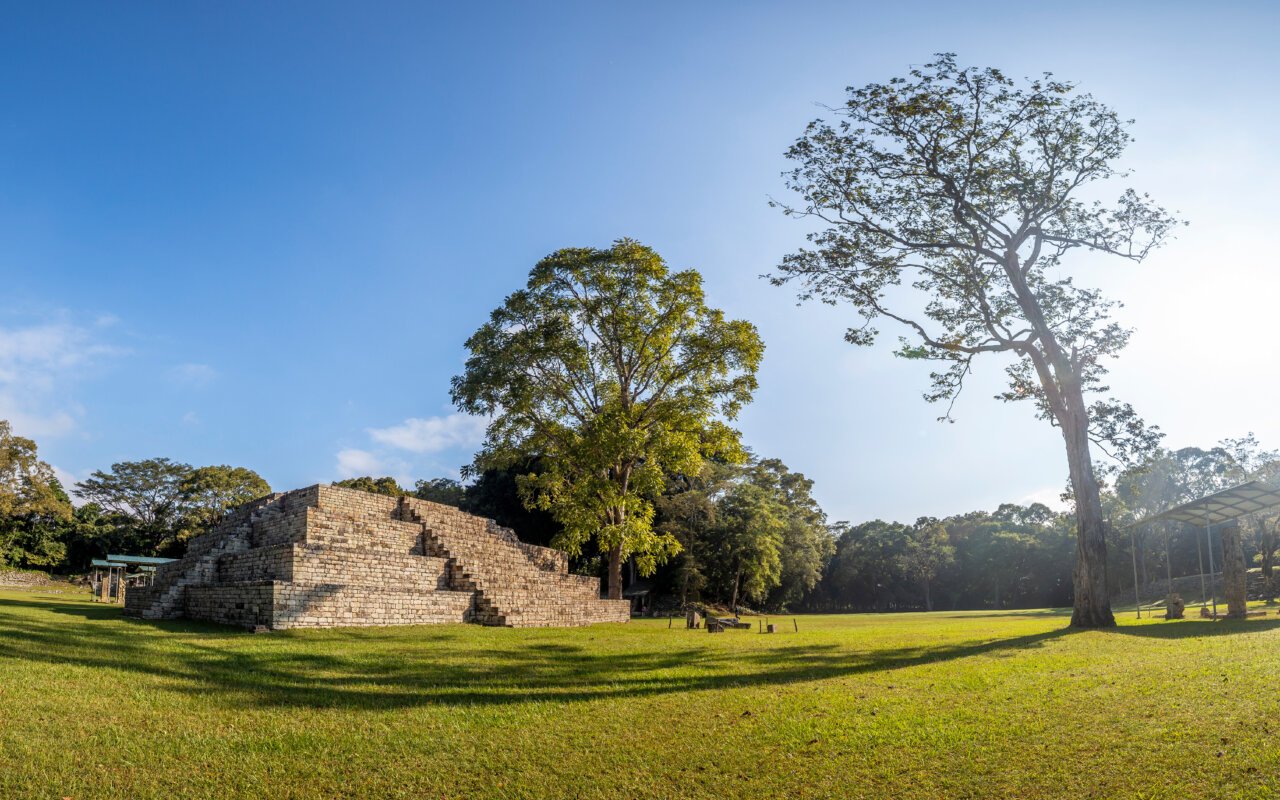
Copán is one of the most important heritage sites of the Mayan civilization. The city remains and the impressive public plazas reveal long periods of its development before the city was abandoned and covered by the jungle.
The site is big and offers different options of visit. The main part can be divided into two main zones: the Great Plaza and the Acropolis. The first zone was a public area, whereas the second one was a private space, only for the leading elite.
To make the visit more interesting, it is important to know the story behind the city-state. We recommend getting a private tour with an English-speaking guide that knows every secret of Mayas.


Visiting Copán Archaeological Site
Our morning visit
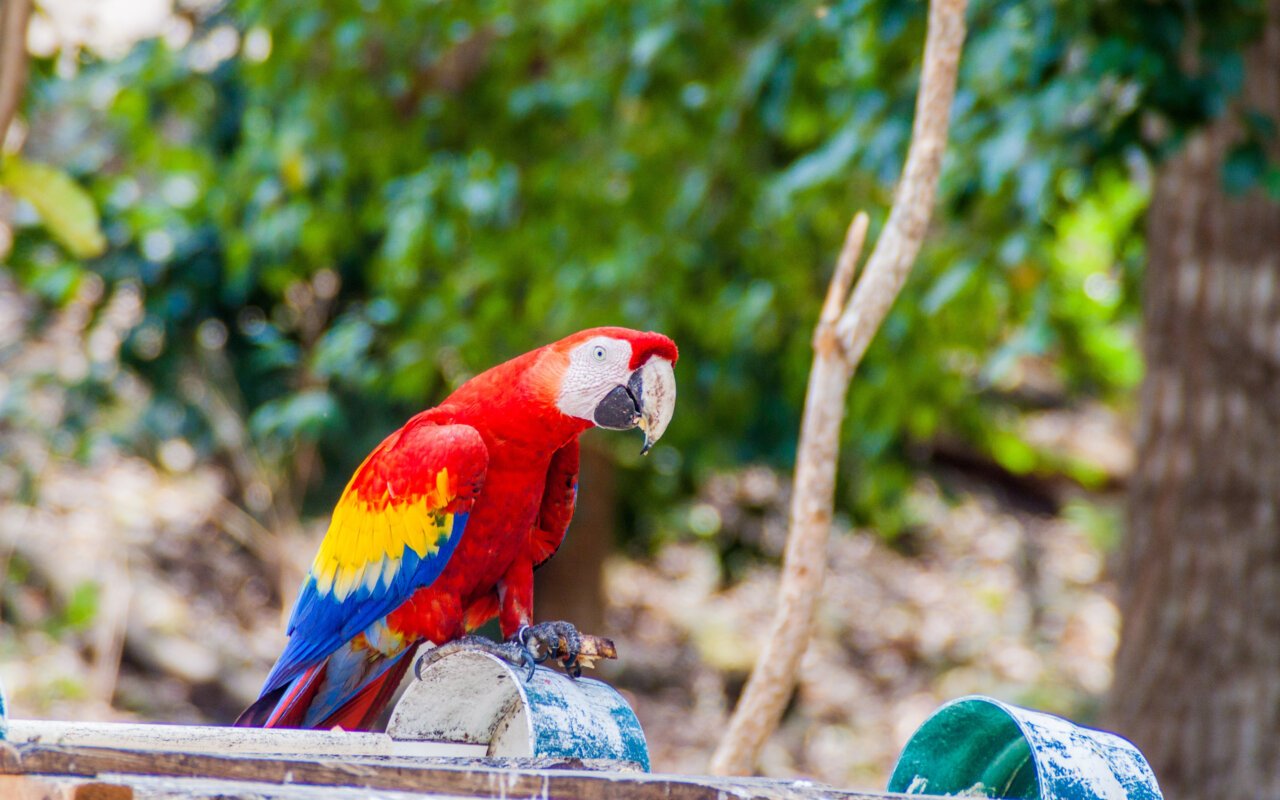
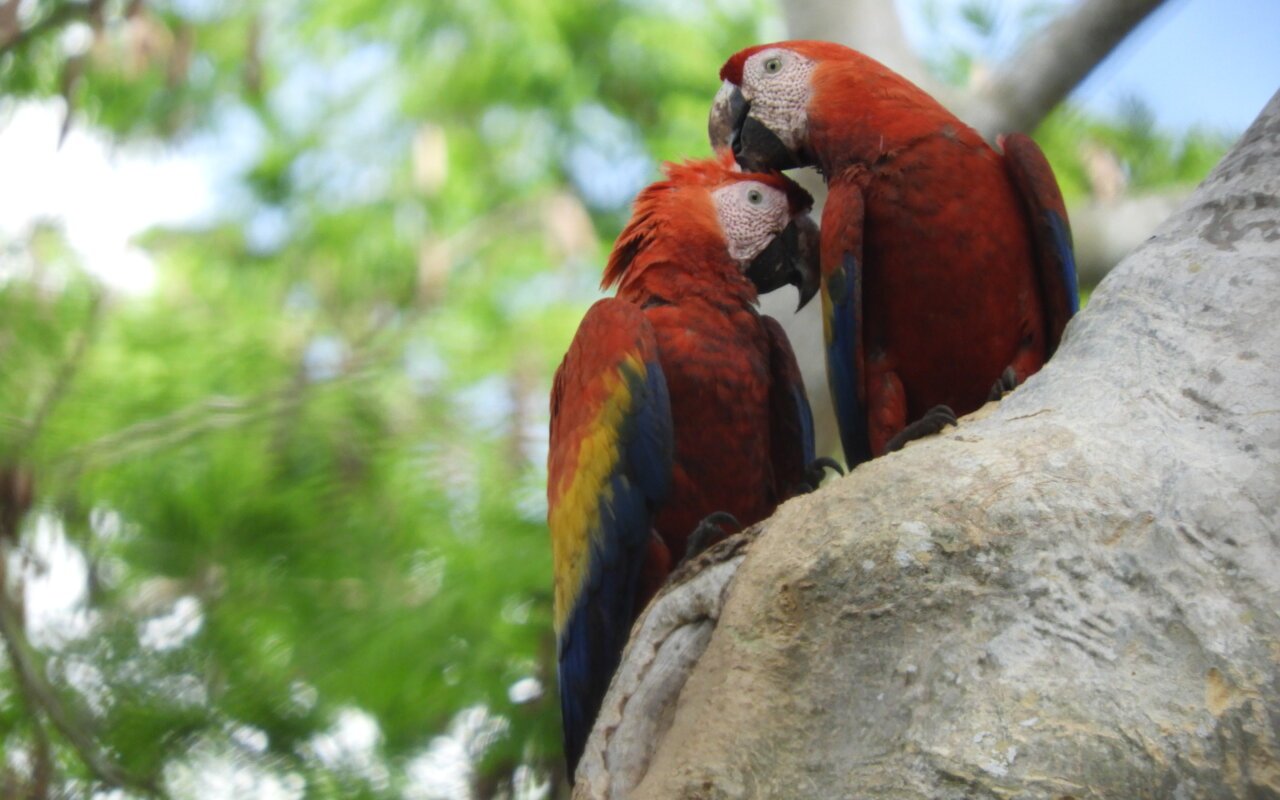
We departed for Copán early, arriving at 8:30 AM. The early morning provided a peaceful experience at the site. I was mesmerized by the scarlet macaws that inhabit the archaeological park. This site is particularly unique: nature has reclaimed its space, with trees growing between the stones of the temples, creating an almost mystical atmosphere.

The legendary Hieroglyphic stairway
The highlight of any visit to Copán, Honduras is the magnificent Hieroglyphic Stairway. This impressive structure consists of 63-65 steps containing approximately 2,200 hieroglyphic glyphs carved into volcanic tuff blocks, making it the longest known Maya text. Originally commissioned by the 14th ruler of Copán and completed around 755 CE by the 15th ruler, K’ak’ Yipyaj Chan K’awiil (Smoke Shell), the stairway chronicles four centuries of Maya dynasty and its 16 governors.
Today, epigraphers can read approximately 80 percent of the text, and the stairway remains a focus of ongoing archaeological study. The carved steps tell the dynastic history of Copán’s rulers, making this monument invaluable for understanding Maya civilization.
Key features of Copán archaeological site
The site comprises approximately 250 acres, including residential areas. The central district covers 54 acres and consists of stone temples, two large pyramids, several stairways and plazas, and a ball court for playing the traditional Maya ball game.
The site flourished during the Classic period from 427 to 822 CE, when it was one of the most important Maya cities. At its peak, Copán was home to at least 20,000 people.
Notable features include:
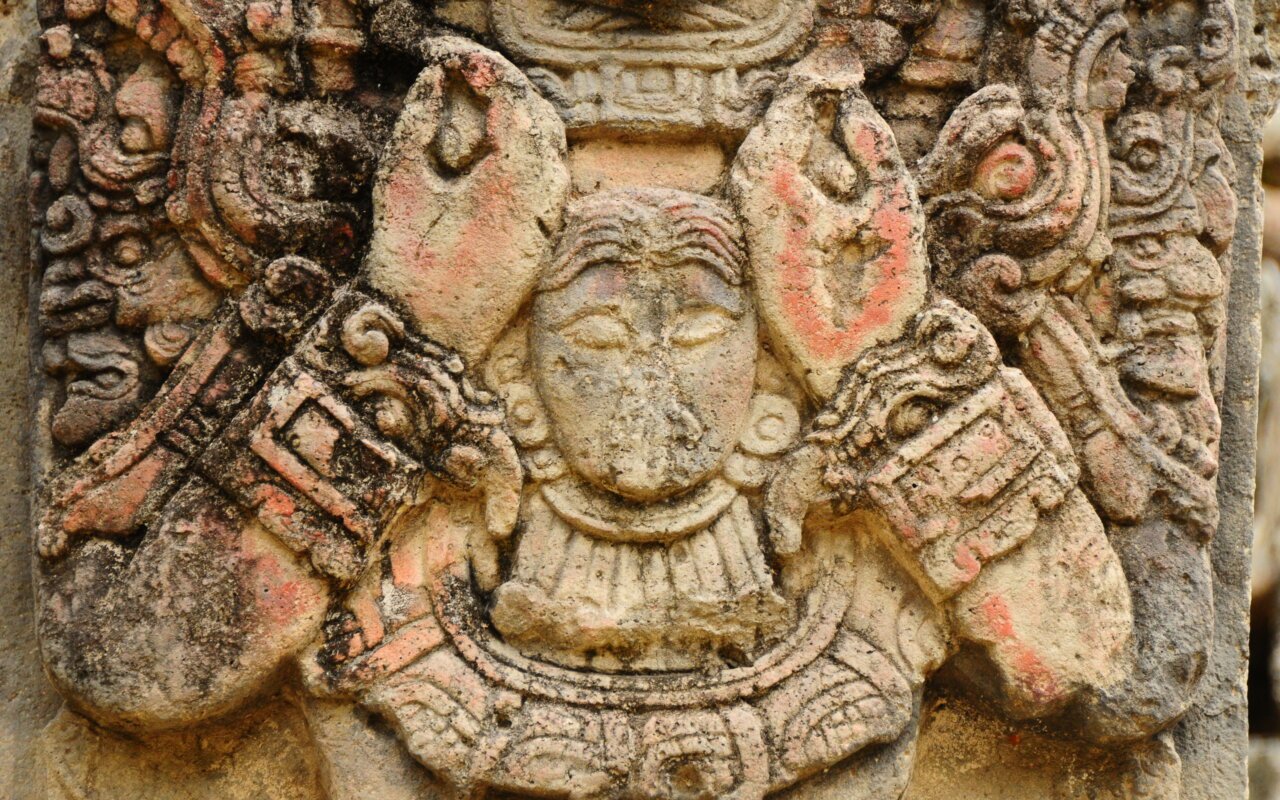
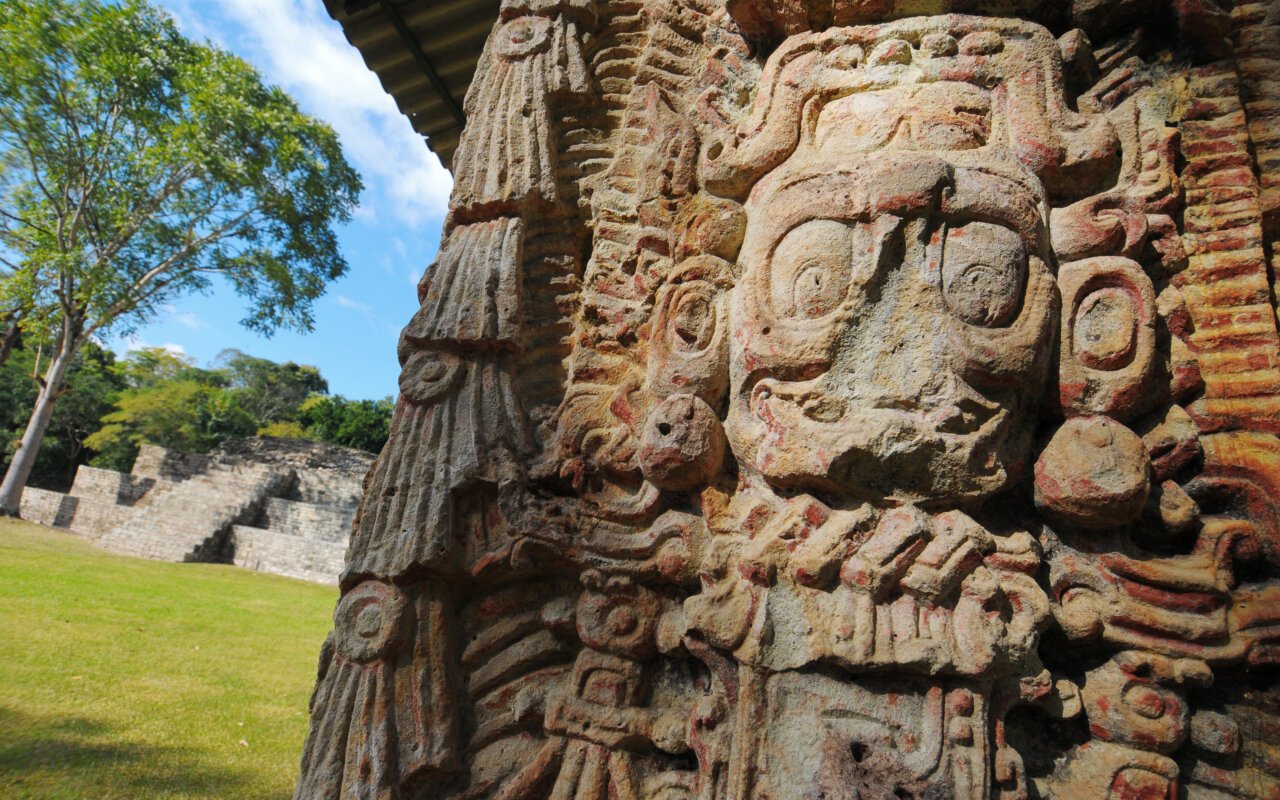
- The Great Plaza with its intricately carved stelae
- The Acropolis with temples and administrative buildings
- Multiple ball courts, including one of the largest in the Maya world
- Beautifully preserved sculptural details thanks to the tropical climate


Our team recommendation
Copan’s tunnels
What makes this site so unique and special are their tunnels, the Rosalila tunnel and the Jaguar tunnel. There, it is possible to observe different landforms, glyphs and Coronel Galindo tumb, considered one of the most interesting tumbs of the site, only discovered a century ago.
These tunnels are pretty impressive; it feels like entering another universe without daylight where you can admire the Mayas architecture work. In some structures, there are not less than 17 levels.
Copán ruins is the only site in Central America that has a tunnel system, which makes it even more mysterious.
You can also visit the Mayan Sculpture Museum. Its entrance is extraordinary and catches the eye of the visitors. Forming a snake with its open mouth, as if entering its throat until reaching an illuminated room. This museum exhibits sculptures from Copán ruins, whose collection includes more than 3.000 pieces. For the passionate, it is a real treasure about Mayan culture.
Macaw Mountain
Macaw Mountain is a rescue center, to rehabilitate and free tropical birds, such as macaws. There, you will witness the richness and diversity of Honduras birds through a botanic garden, including endemic plants and woody trees.
A lot of birds have been saved from illicit bird trade or given by worried owner to take care of them in the long-term.
By visiting this place, not only will you witness the great diversity of birds that Honduras hosts, like the Macaw, emblematic bird of the country, but you will also contribute to their recovery.
This site is only 10-minute away from the city center by car, or 30 minutes by walk.
This sanctuary plays a crucial role in conservation efforts, and visitors can observe these magnificent birds up close while supporting their protection and eventual return to their natural habitat.

Combining Izabal and Copán: travel itinerary
This seven-day journey combining Guatemala’s Izabal region with Copán, Honduras offers travelers a perfect blend of:
- Caribbean culture in Livingston
- Natural wonders like hot springs and diverse ecosystems
- World-class Maya archaeology at Copán
- Authentic local experiences away from mass tourism
- Opportunities to support conservation efforts